


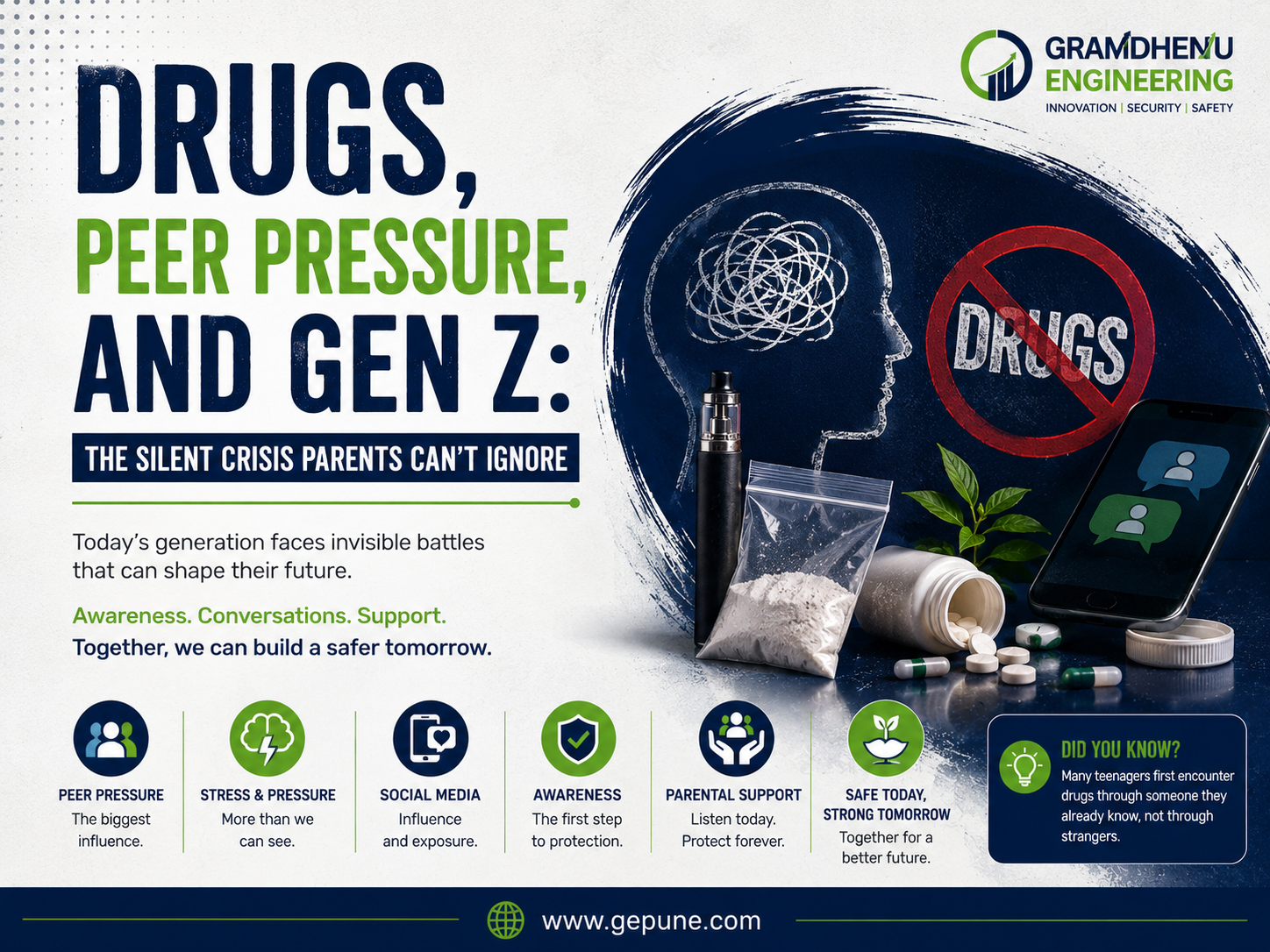
Drugs, Peer Pressure, and Gen Z: The Silent Crisis Parents Can't Ignore…!
It Starts with Four Simple Words...
"Just try it once." It's lunch break in a college in Mumbai. A group of friends gathers behind the campus building. One student hesitates while another smiles and says, "Nothing will happen. Everyone's doing it."
The same conversation happens in a school playground in Pune, at a birthday party in Bengaluru, or outside a coaching class in Delhi. No teenager wakes up one morning wanting to become addicted.Most are simply trying to fit in.
For parents, this is perhaps the most frightening part. Drug abuse doesn't always begin with bad intentions or criminal influences. Sometimes, it begins with friendship, curiosity, or the fear of being left out.
In today's fast-paced urban life, where both parents are often working and children spend more time with friends than family, this silent crisis is becoming increasingly difficult to identify.
Why Are Teenagers Experimenting?
Today's teenagers are growing up in a completely different world than their parents did. Social media constantly tells them what is "cool." Influencers glamorize risky lifestyles, web series normalize substance use, and peer groups often become more influential than family.At the same time, young people are dealing with enormous pressure.Pressure to score better marks...Pressure to build a career.Pressure to look perfect...Pressure to belong....For some, experimenting with drugs or vaping feels like a temporary escape. For others, it's simply an attempt to avoid feeling different from the group around them.
Unfortunately, one experiment can become a habit much faster than anyone expects.
Drug Abuse Doesn't Look Like It Used To
When people hear the word "drugs," they often imagine dangerous substances sold secretly in dark alleys.Today's reality is very different.Vapes marketed as harmless alternatives, party drugs, misuse of prescription medicines, nicotine products, and even illegal substances ordered through online networks have made access easier than ever before.
Some traffickers even use encrypted messaging apps and social media platforms to connect with young buyers, making it difficult for parents to recognize what's happening.
The biggest danger is that many of these products don't immediately appear harmful. Teenagers often believe they are "safe" because everyone around them seems to be using them.
Why Parents Often Miss the Warning Signs
Most parents know their children well...Yet many families don't realize something is wrong until the problem has become serious...The reason is simple...Drug abuse doesn't change a child overnight...The changes happen slowly. A cheerful teenager becomes quieter. A responsible student starts missing assignments. A child who once enjoyed family dinners now spends most of the evening locked inside a room...Individually, these changes may seem like a normal part of growing up...Together, they deserve attention.
Early Signs Parents Should Never Ignore
Not every behavioural change indicates substance abuse, but these warning signs should encourage parents to start a conversation.
Look for:
-
Unusual spending or frequent requests for money.
-
Sudden loss of interest in studies or hobbies.
-
Mood swings or unexplained aggression.
-
Secretive phone calls or online conversations.
-
Falling academic performance.
-
A completely new friend circle with little explanation.
-
Frequent late-night outings without clear reasons.
The goal isn't to become suspicious of every action...The goal is to stay connected.
Prevention Begins with Conversations, Not Lectures
One mistake many parents make is waiting until they suspect a problem before talking about drugs.By then, it may already be too late.Conversations about substance abuse should begin early, just like conversations about road safety or online safety...Children don't need long lectures.They need parents who listen without immediately judging them.
Ask questions.
- Understand their friendships.
- Know where they spend time after school or college.
- Talk about peer pressure openly instead of pretending it doesn't exist.
- A teenager who trusts their parents is far more likely to seek help before making a life-changing mistake.
Did You Know?
Many teenagers first encounter drugs through someone they already know, such as a classmate, friend, neighbour, or senior, rather than through an unknown dealer. That is why awareness and communication inside the family are just as important as law enforcement.
Security Insight by Gramdhenu Engineering
While parenting remains the strongest line of defence, technology can strengthen community safety. Artificial Intelligence is helping security agencies analyse drug trafficking patterns, identify hotspots around schools and colleges, detect suspicious activity through smart surveillance, and improve intelligence-led policing. Used responsibly, AI can support faster intervention and help create safer environments for young people without replacing the role of parents, teachers, or communities.
The Future We Must Build Together
Drug abuse among young people is not just a law enforcement issue. It is a family issue, a social issue, and a community issue.Every parent hopes their child will make the right choices. But hope alone isn't enough.Children need guidance, trust, and someone who will listen before someone else convinces them to "just try it once."The strongest protection we can give the next generation isn't fear. It's awareness, meaningful conversations, and a support system that helps them say "no" with confidence.Because every child we protect today becomes the responsible citizen who shapes tomorrow.
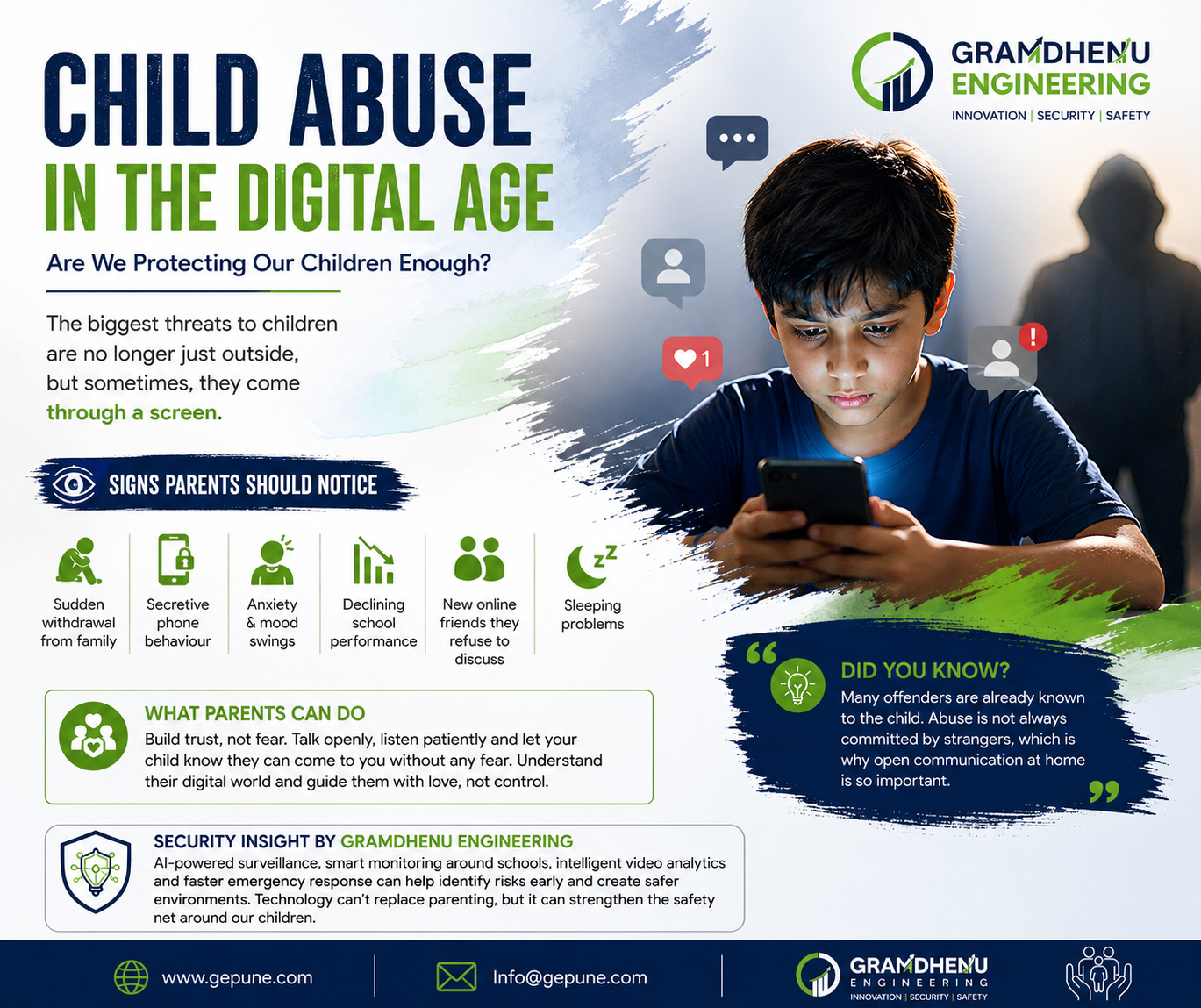

Recent Posts